- Baking
- Beverages
- Breakfast
- Chocolate & Candy
- Cooking
- Dairy Product
- Diabetic Food
- Fish
- Frozen & Canned
- Fruits
- Meat
- Sauces & Pickles
- Snacks
- Vegetables
- Baking with Dessert Mixes
- Baking Ingredients
- Baking Tools
- Flour
- Nuts & Dried Fruits
- Coffee
- Juice
- Mineral Water
- Powder Drinks
- Soft Drinks
- Tea
- Breads
- Cereals
- Jellies
- Ready Breakfast
- Spreads & Dips Liquid
- Candies
- Chocolates
- Marshmallows
- Mints & Mouth Freshener
- Wafers
- Rice
- Dal
- Oil
- Salt & Sugar
- Spices
- Ready Mix Spices
- Ghee
- Shemai & Suji
- Special Ingredients
- Colors & Flavours
- Premium Ingredients
- Butter & Sour Cream
- Cheese
- Condensed Milk & Cream
- Eggs
- Liquid & UHT Milk
- Powder Milk
- Yogurt & Sweets
- Dried Fish
- Frozen Fish
- Canned Fish
- Chicken Snacks
- Fish Snacks
- Frozen Roti & Paratha
- Fruits & Sweets Can
- Ice Cream
- Mushroom Cans
- Vegetable Cans
- Vegetable Snacks
- Chicken & Poultry
- Meat Mixed Food
- Meat Variety
- Cooking Sauces
- Pickles
- Table Sauces
- Tomato Sauces
- Cakes
- Chips
- Cookies
- Cream Biscuits
- Dried Snacks
- Macaroni & Pasta
- Noodles
- Nuts & Popcorn
- Plain Biscuits
- Salted Biscuits
- Soups
- Toast Biscuits
- Vinegar


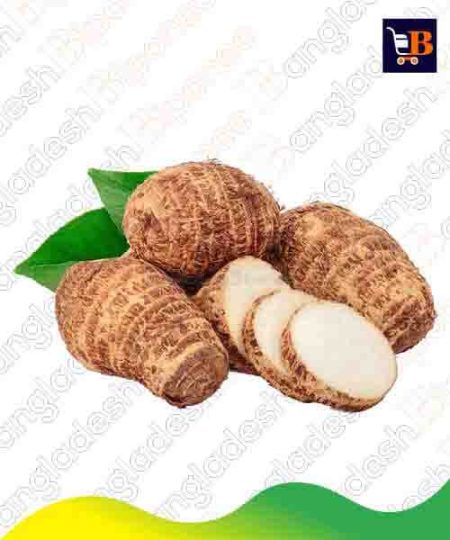
Kochur Mukhi (Taro Roots)
Kochur Mukhi (Taro Roots) (Colocasia esculenta) is a very important food crop in many tropical regions. They are a starchy vegetable with a nutty flavor and everybody can cook in many different ways. Taro roots are a good source of dietary fiber, vitamins C and B6 and minerals . They can eat fresh, cook or dry and ground into a flour. Some of the most common and widely consumed root vegetables include potatoes, sweet potatoes, carrots, turnips, beetroot, parsnips, cassava, yams and taro roots. These vegetables are generally storage organs, enlarge to store energy in the form of carbohydrates. We can cook it in many different ways, including boiled, baked, roasted or fried. They are very important part of many cuisines around the world.
Taro Roots are the tropical root vegetable that is popular in Asian cuisine. It has a very starchy texture and a nutty flavor. This plants are growing in many parts of the world including Africa, Asia, the Caribbean and South America. The roots are harvesting with hand which can a challenging and labor-intensive task. In some regions taro is growing as an ornamental plant due to its large heart-shaped leaves.
Nutrient Facts:
- Fiber: 6.7 grams
- Manganese: 30% of the daily value (DV)
- Vitamin B6: 22% of the DV
- Vitamin E: 19% of the DV
- Potassium: 18% of the DV
- Copper: 13% of the DV
- Vitamin C: 11% of the DV
- Phosphorus: 10% of the DV
- Magnesium: 10% of the DV
Kochur Mukhi (Taro roots) are an excellent source of nutrition and all people can enjoy in many different ways. When we cook this vegetable, they have a slightly sweet flavor and a soft, starchy texture that makes them a versatile ingredient in many different dishes. Taro roots are very important for human healthy diet and also a good source of fiber, vitamins and minerals and can be a healthy addition to any diet.
Health Benefits:
- Rich in fiber and other important nutrients
- Help control blood sugar
- Reduce our risk of heart disease
- Offer anticancer properties
- Help us lose weight
- Good for our gut
- Versatile and easy to add to our diet
Taro roots are a healthy and delicious meals and versatile ingredient to add to our cooking repertoire. They improve our digestion and lower blood pressure.
Buy more vegetable.

Reviews
Clear filtersThere are no reviews yet.